
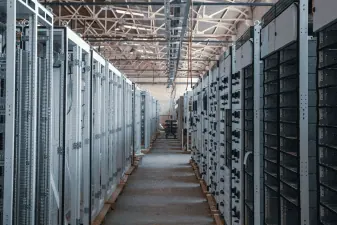
Data centers are often thought of as controlled, indoor environments designed for continuous operation. Within those facilities, data center electrical infrastructure is critical and is installed to support long service lives, with many components expected to perform reliably for decades.
Conduit is a passive component of this infrastructure—providing physical protection and routing for electrical conductors rather than actively controlling system operation—with its long-term performance closely tied to the environmental conditions encountered along its pathway.
Conduit Pathways Span a Range of Areas
Electrical conduit systems route wiring through multiple areas within a data center, including:
- IT halls and electrical rooms
- Mechanical spaces and utility corridors
- Transitional zones near cooling infrastructure
- Areas above ceilings, below raised floors, or within walls
Often, each of the above spaces operates under different conditions. While some areas remain dry and stable for much of a facility’s life, others experience greater variation due to airflow patterns, nearby piping, or proximity to cooling systems. As a result, conduit pathways in data centers can experience different environmental conditions within the same facility.
Environmental Factors That Affect Conduit Performance
In the above areas, several environmental factors can influence how conduit systems perform over time:
Moisture and Condensation
Conduit installed near internal cooling components—such as chilled-water piping, cooling coils, or heat exchangers—may encounter intermittent moisture or condensation during normal operation or maintenance activities.
Airflow and Particulates
High-volume airflow used for cooling can carry moisture or airborne contaminants through plenums and enclosed spaces, creating uneven exposure along adjacent conduit runs within data center infrastructure.
Thermal Variation
Temperature differences between spaces, as well as seasonal or operational changes, can introduce thermal cycling—repeated heating and cooling that can cause certain materials to expand and contract. Thermal cycling can also cause increased condensation.
Proximity to Cooling Infrastructure
Areas near cooling towers, mechanical rooms, or transitional spaces between indoor and outdoor systems may experience higher environmental variability than interior electrical rooms or IT halls.
These environmental factors are often localized, meaning conduit runs installed only feet apart may be exposed to different environments over time along the same electrical raceway system.
A Targeted View of Environmental Risk
Rather than treating environmental exposure as a facility-wide issue, a conduit-focused perspective highlights where conditions are most likely to vary and accumulate:
- Along raceways that pass through mechanical or transitional zones
- Near cooling and heat-rejection infrastructure
- In enclosed spaces where inspection opportunities are limited
Understanding these distinctions helps align electrical conduit materials in data centers with the environments they will experience over time.
Why Material Selection Matters Over the Long Term
Conduit systems do not actively control electrical performance, but they play a critical supporting role by protecting wiring from physical damage and environmental exposure. Over decades of service, conduit material selection can influence:
- Resistance to corrosion
- Structural integrity
- Ongoing maintenance needs
- Predictability of long-term reliability
Because access to many conduit runs is limited after commissioning, early material selections in data center design are expected to withstand environmental conditions along their installed pathways for the full-service life of the facility.
Operational impact and cost considerations
Even limited maintenance or access events in live data centers carry real operational costs. According to the Uptime Institute’s Annual Outage Analysis, more than half of data center operators reported that their most recent significant outage cost over $100,000, and 16% cited impacts exceeding $1 million for a single outage. While this figure reflects broader outage events, it highlights the value of avoiding post-commissioning intervention wherever possible — even for seemingly minor infrastructure challenges.
While conduit issues are not typically the cause of full system failures, accessing, inspecting, or remediating deeply embedded infrastructure can require planned service windows or restricted operating conditions. These activities carry real costs in labor coordination, system availability, and facility uptime. Selecting materials designed to withstand long-term environmental conditions from the outset helps reduce the likelihood of such disruptions over the life of the facility.
Material Selection That Lasts
While the server rooms within data centers are designed to operate as stable, controlled environments, conduit systems carrying electrical wiring often pass through areas with varying levels of moisture, airflow, and thermal exposure. Recognizing where those conditions exist, and selecting materials accordingly, supports the long service life expected of modern data center electrical infrastructure, particularly where access becomes limited after commissioning.
Gibson Stainless conduit systems are engineered with long-term environmental conditions in mind. In areas where conduit is exposed to moisture, humidity fluctuations, airflow, or limited post-commissioning access, stainless steel can provide the corrosion resistance, durability, and reliability needed to support uninterrupted data center operations.
To learn more about our stainless steel selection, visit our product catalog or contact us today.