
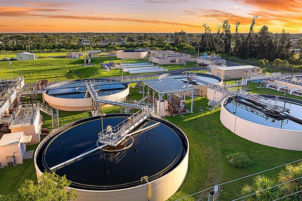
Corrosion is one of the challenges facing wastewater treatment facilities. These environments expose electrical infrastructure to moisture, chemical vapors, washdowns, and other harsh conditions that can accelerate material degradation over time. Understanding the conditions that contribute to corrosion is an important first step in selecting materials that support long-term reliability.
Why Wastewater Environments Are Especially Demanding
Wastewater facilities present a combination of conditions that can challenge material performance. Hydrogen sulfide (H₂S), process chemicals, cleaning agents, moisture, and high humidity are commonly present throughout these facilities. During wastewater treatment, H₂S generated by biological processes can contribute to corrosive environments, particularly in enclosed or poorly ventilated areas.
Washdown procedures and continuous exposure to moisture can further increase the likelihood of corrosion on electrical infrastructure and support systems. In some applications, chlorides from treatment chemicals, industrial discharges, or the wastewater stream itself may further increase corrosion risk.
Unlike many industrial environments with intermittent exposure, wastewater facilities face these conditions continuously, making material selection particularly important. These environmental factors can accelerate corrosion and degrade electrical systems, particularly when materials are not designed for harsh environments.
How Corrosion Impacts Electrical Infrastructure
Corrosion can compromise both the appearance and functionality of electrical components. As materials deteriorate, facilities may face increased inspection and maintenance requirements, component replacement, and unexpected downtime. Electrical systems in headworks, lift stations, aeration basins, and chemical feed areas routinely encounter moisture, chemicals, and corrosive gases.
In these environments, equipment reliability is essential to maintaining safe and efficient operations. As a result, corrosion prevention is an important consideration during system design and specification. These challenges drive engineers and facility operators to select materials that deliver long-term corrosion resistance in demanding environments.
Why Stainless Steel is Commonly Specified
Stainless steel provides corrosion resistance without relying on applied coatings or finishes, making it a common choice for wastewater applications. Stainless steel contains chromium, which reacts with oxygen in the environment to form a thin, stable passive layer on the surface. This naturally occurring layer protects the underlying metal from environmental exposure and continuously reforms if the surface is damaged.
This unique characteristic provides several advantages in wastewater facilities where exposure conditions can be difficult to predict and control.
Long-Term Benefits of Stainless Steel
Stainless steel resists corrosion from moisture, hydrogen sulfide, chlorides, and other environmental factors, helping extend service life and reduce maintenance requirements. Its durability can improve equipment reliability and lower lifecycle costs compared to materials that require frequent repair, recoating, or replacement.
Conclusion
While no material is immune to every environmental condition, stainless steel has become a trusted choice for wastewater electrical infrastructure because of its durability and corrosion resistance. By understanding the challenges present in wastewater facilities and selecting appropriate materials, operators can support long-term system performance and reduce maintenance demands over time.